

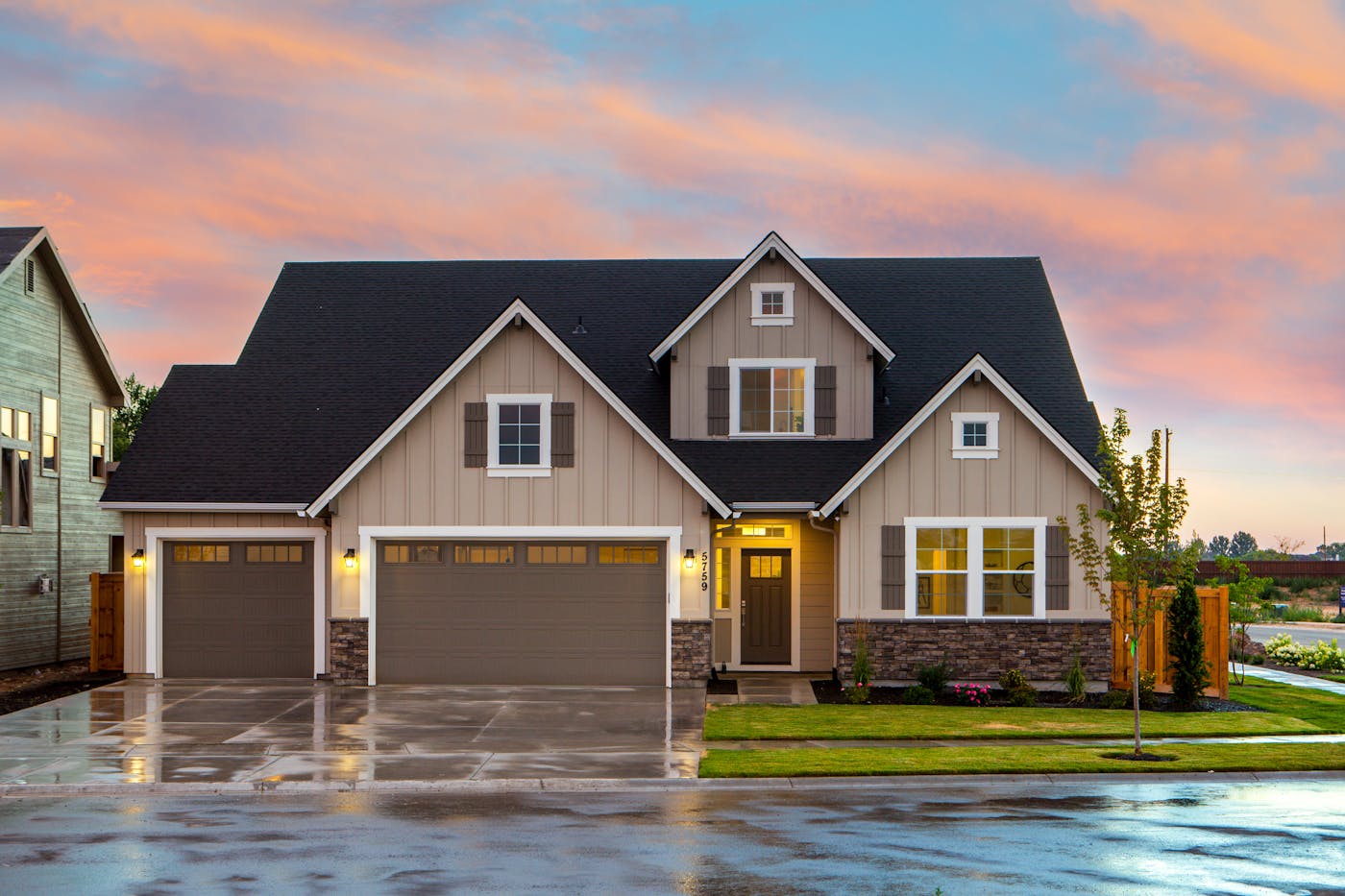
Building your home means financing it in stages — not all at once.
A construction mortgage is structured differently than a purchase mortgage. Understanding how draw schedules, progress inspections, and lender advances work prevents expensive surprises mid-build.
Where builds stall: the financing gap between draws
Construction mortgages release funds in stages tied to build progress. Contractors often need payment before the next draw is released — creating a cash flow gap. Knowing this in advance, and building it into your budget, is the difference between a smooth build and a stalled one. I help you structure the financing to account for these realities.
Builders and new-construction buyers
- Self-building on owned land (custom home)
- Hiring a general contractor for a custom build
- Buying a pre-construction condo or home from a builder
- Converting an existing structure (major renovation loan)
- Purchasing a new-construction home at assignment
- Building a detached suite or garden suite (ADU)
How draws and inspections work
- Progress draws: typically 4–6 stages (foundation, framing, lock-up, drywall, completion)
- Inspection required: lender sends inspector before each advance
- Interest-only during build: you pay interest only on drawn amounts
- Converts at completion: construction loan rolls into a standard mortgage when build is certified occupiable
- Land equity: owned land can serve as equity toward the down payment
- Tarion warranty: new Ontario builds require Tarion enrollment
What you need to know before breaking ground
GST/HST New Home Rebate
New builds attract HST. For primary residences, the GST/HST New Housing Rebate applies for homes under $450K (partial up to $1M). Builder sometimes nets it in the price — confirm this in your purchase agreement.
Tarion Warranty Program
Ontario law requires new home builders to enroll with Tarion. As a buyer, your warranty coverage (1, 2, and 7-year tiers) is tied to Tarion registration. Confirm enrollment before closing.
CMHC Green Home Program
Building to an energy-efficient standard? CMHC offers a 25% premium refund on insured construction mortgages for energy-efficient homes. Meaningful savings if you qualify.
Assignment Financing
Buying a pre-construction unit on assignment? Financing rules differ from a standard resale. Some lenders won’t fund assignments — I work with those who do, with proper assignment contract review.
Construction Plans & Specs
Full set of architectural plans, site plans, and specifications. Lender uses these to verify scope and appraise projected completion value.
Builder Contract or Cost Estimate
Fixed-price or itemized estimate from licensed general contractor. Lender assesses whether budget is realistic for the build.
Land Ownership or Purchase Agreement
Proof of land ownership (title) or agreement to purchase. Land equity counts toward the down payment calculation.
Building Permit
Municipal permit issued before the first draw is released. Must be in hand at application or very close to closing.
Income Verification
Standard income docs — T4s, pay stubs, NOA. Construction mortgages are underwritten the same as purchase mortgages for income.
Insurance Confirmation
Builder’s risk / course of construction insurance. Required before any draw. Also confirm your GC carries liability and WSIB coverage.
Construction financing has more moving parts than a purchase
I map the draw schedule to your GC payment schedule so you know exactly when funds are available and when cash flow is tight.
Not all lenders do construction. I work with those that do it well — responsive inspectors, reasonable turnaround times on draws.
The construction loan converts at completion. We plan the rate and term ahead of time so there’s no scramble when occupancy is granted.
Builds go over. I build contingency thinking into the financing so a 10–15% overrun doesn’t leave you without options.
Construction Mortgage in Ontario: How Draws and Inspections Work
The short version — and you can always call for the full picture.
Prefer it explained in plain English?
In a short, no-obligation call I’ll walk you through exactly how this works for your situation — no jargon, no pressure.
Prefer to talk? Call or text 289-834-9099 — free, no pressure.
Ready to talk numbers?
No obligation. Just a straight conversation about your mortgage options.